Due Diligence

Due Diligence
FCB Law Offices's experience in land matters enables us to understand how to work with fragmented and manual land registries to your advantage. We explain clearly what steps must first be done so that your land investigation and due diligence is successful. We will work patiently and diligently on your case, always.
WHY DO YOU NEED TO DO LAND TITLE DUE DILIGENCE?

AVOID SCAMS
Fake titles are common, so due diligence helps confirm you're buying from the registered owner.

CHECK IF THERE ARE LEGAL ISSUES
Checking the title at the RD reveals recorded cases to alert you of any legal risks attending a particular land title.
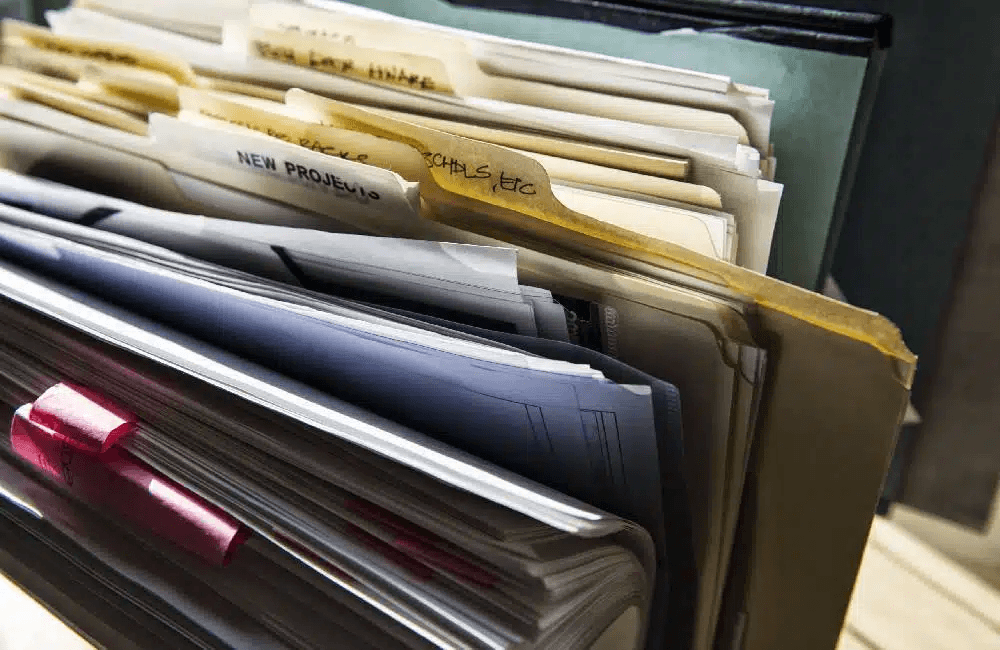
VERIFY DOCUMENT COMPLETENESS
Ensure all supporting papers are complete for a smooth process from the land title to the tax declaration.

PREPARE FOR TRANSFER
The documents retreived by due diligence will also be required during transfer so can save time during the actual transfer process.
SPA from Owner or Heir
Any Property Information
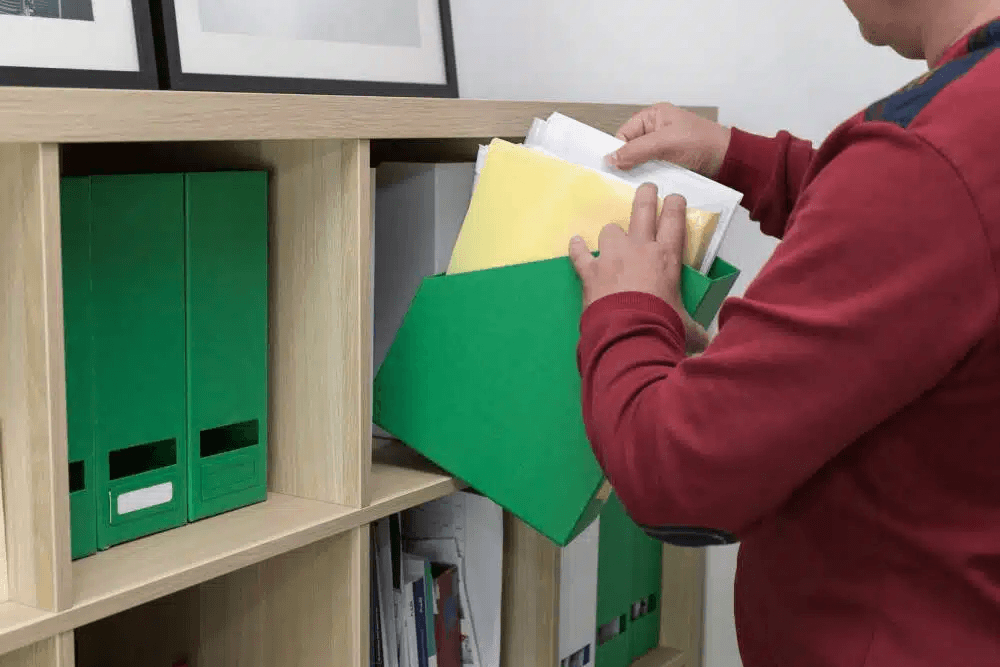

A buyer must exercise due diligence before buying real estate. Due diligence involves checking the seller’s legal title as well as an agent’s authority to sell the property. This is done by examining the property records and investigating the seller. The law will protect a buyer who has made such an investigation. A buyer who does her due diligence will thus be protected from fraud and her ownership of the purchased property will become unassailable under the law.
Atty Britanico, Founder

START A CASE
IN  EASY STEPS




Read More
FREQUENTLY ASKED QUESTIONS
Land Title Due diligence is a process of investigation and assessment of a property to ensure that the buyer or investor has all the necessary information to make an informed decision. In the Philippines, due diligence for a land title is particularly important due to the number of fake land titles and the need for complete land documents to transfer a title to new owners.
Due diligence is recommended whenever property is being transferred to new owners such as when a Land Title is being transferred to heirs, when property is being bought or when other transfers are contemplated.
The property documents that should be investigated at the minimum are the Land Title, the Tax Declaration and the seller’s authorization if the seller is an agent. It is not enough that the owner possesses the property documents, what must be done is that the property documents are also checked versus what is recorded in the Registry of Deeds.
The steps involved in conducting due diligence differ depending on the information that is available. If there is only a name, there is not enough information to investigate. If there is an address, that can be enough to investigate. If there are photocopies of the documents or the actual original documents, then that would streamline the process.
The length of the due diligence process varies depending on the complexity of the transaction and the availability of information. It can take anywhere from a few weeks to several months due not only to the information you have but also because Philippine Land Registries are manual and fragmented so we physically have to go to each place and check.
While it is possible to conduct some aspects of due diligence on your own, it is generally advisable to seek professional help, particularly for complex transactions or when specialized expertise is required. Professionals such as lawyers and accountants can provide valuable insights and help ensure a thorough due diligence process.
The cost of due diligence in the Philippines varies depending on factors such as the complexity of the transaction, the scope of the due diligence process, and the professionals involved. It is best to consult with the relevant professionals to obtain estimates for their services.